
Termite Control: The Hidden Enemy of Structures in the UAE
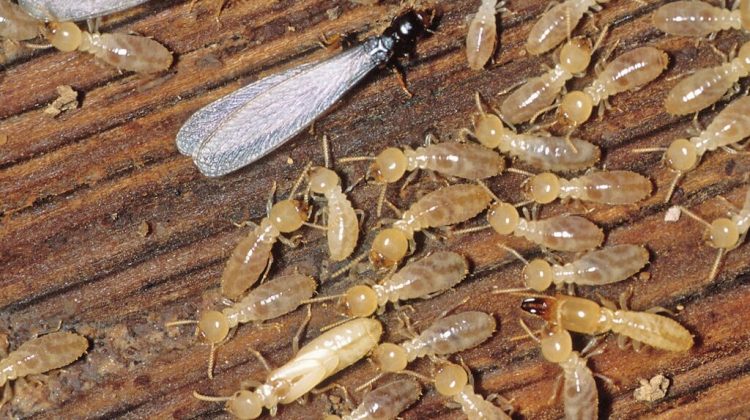
Termites (Al Roma) are considered social pests that live in massive colonies underground or within wooden structures. Unlike common ants, termites feed on “cellulose” found in wood, paper, and carpets, making them a direct threat to furniture and building foundations.
First: The Life Cycle of Termites
A termite colony relies on a precise caste system, and its life cycle progresses through stages starting from the egg to functional specialization:
-
Eggs: The queen lays thousands of eggs daily to ensure the continuous growth of the colony.
-
Larvae: Eggs hatch into small white larvae, which are fed by the workers.
-
Differentiation (Metamorphosis): Depending on the colony’s needs, larvae develop into three main categories:
-
Workers: The most numerous group, responsible for feeding and damaging wood.
-
Soldiers: Distinguished by large heads and powerful jaws to protect the colony from enemies (such as common ants).
-
Alates (Reproductives): Winged individuals that emerge during specific seasons to mate and establish new colonies; these are often seen by homeowners flying around light sources.
-
Second: Methods of Detecting Termite Infestation
Since termites work from the inside out, damage may not appear until the late stages. Here are the most important signs of their presence:
-
Mud Tubes: The presence of thin mud lines on walls or concrete beams, which serve as tunnels for the insects to move away from light.
-
Wood Damage: Tapping on wooden door frames or cabinets and hearing a “hollow” sound is evidence that the insects have consumed the wood from within.
-
Discarded Wings: Finding small transparent wings near windows or doors indicates that the colony has begun to expand.
-
Small Pellets: The appearance of tiny granules resembling fine sand or wood powder next to infected furniture.
Third: Control Methods at the German Pest Control Company
The German Company for Pest and Rodent Control in the UAE follows advanced strategies based on the type of infestation and the age of the building, including:
1. Preventive Control (Pre-Construction)
This is the most critical step for protecting modern buildings in the UAE, carried out via:
-
Soil Treatment: Spraying long-lasting chemical “Termiticides” on the ground before pouring concrete to form a chemical barrier that prevents termites from rising from the soil.
2. Remedial Control (Post-Construction)
If an infestation appears in an existing building, intervention is conducted through:
-
Drilling & Injection: Creating precise holes in floors and infested areas and injecting them with specialized pesticides that eliminate the entire colony.
-
Baiting System: Placing smart bait stations around the building to attract workers, who then carry the toxic substance back to the heart of the colony and the queen, leading to total eradication.
-
Localized Fumigation: For infested furniture and wooden pieces to ensure full penetration of the pesticide.
Why Choose the German Company in the UAE?
Our solutions are characterized by:
-
Certified Pesticides: Using materials that are safe for public health and licensed by state municipalities and relevant authorities.
-
Long-term Warranty: Providing warranty certificates valid for years to ensure the pest does not return.
-
Modern Detection Devices: Utilizing thermal and acoustic sensors to accurately locate the colony without the need for random demolition.
Expert Advice: Early detection saves you heavy costs in furniture restoration. If you notice any suspicious signs, do not hesitate to request a technical inspection immediately.
Would you like to book an appointment for a technical inspection or inquire about termite control warranty offers?